
Injection moulding manufacturers are under constant pressure to maximise production while maintaining exceptional product quality. However, keeping mould tools free from contamination has traditionally required lengthy production shutdowns, resulting in significant downtime, increased labour costs and lost output.
This case study demonstrates how Pure Lasers helped one of our long-standing manufacturing customers transform their mould maintenance process using laser cleaning technology—reducing a routine three-day shutdown to under 60 minutes while improving productivity and eliminating the need for complete tool disassembly.
Traditional injection mould tooling maintenance is often a lengthy and labour-intensive process. Cleaning contaminated mould cavities typically requires the tool to be removed from the production press, fully disassembled, cleaned by hand or using methods such as dry ice or soda blasting, and then carefully reassembled before production can restart.
For one of our long-standing manufacturing customers, this process regularly took up to three days to complete, resulting in significant production downtime and lost output.
In recent years, the increased use of biodegradable and recycled plastic materials has also led to more frequent residue build-up on mould surfaces. As a result, cleaning intervals have become shorter, meaning manufacturers are forced to stop production more often, reducing overall productivity and increasing operating costs.
Initially, the client was understandably cautious about introducing laser cleaning, as they wanted to ensure the process would not alter the surface finish or critical texture of the mould tooling. Following a series of controlled trials, the results exceeded expectations. The laser removed the contamination effectively without affecting the tooling surface, and subsequent production parts successfully passed the client's stringent quality control inspections with no detectable changes to the finished components.
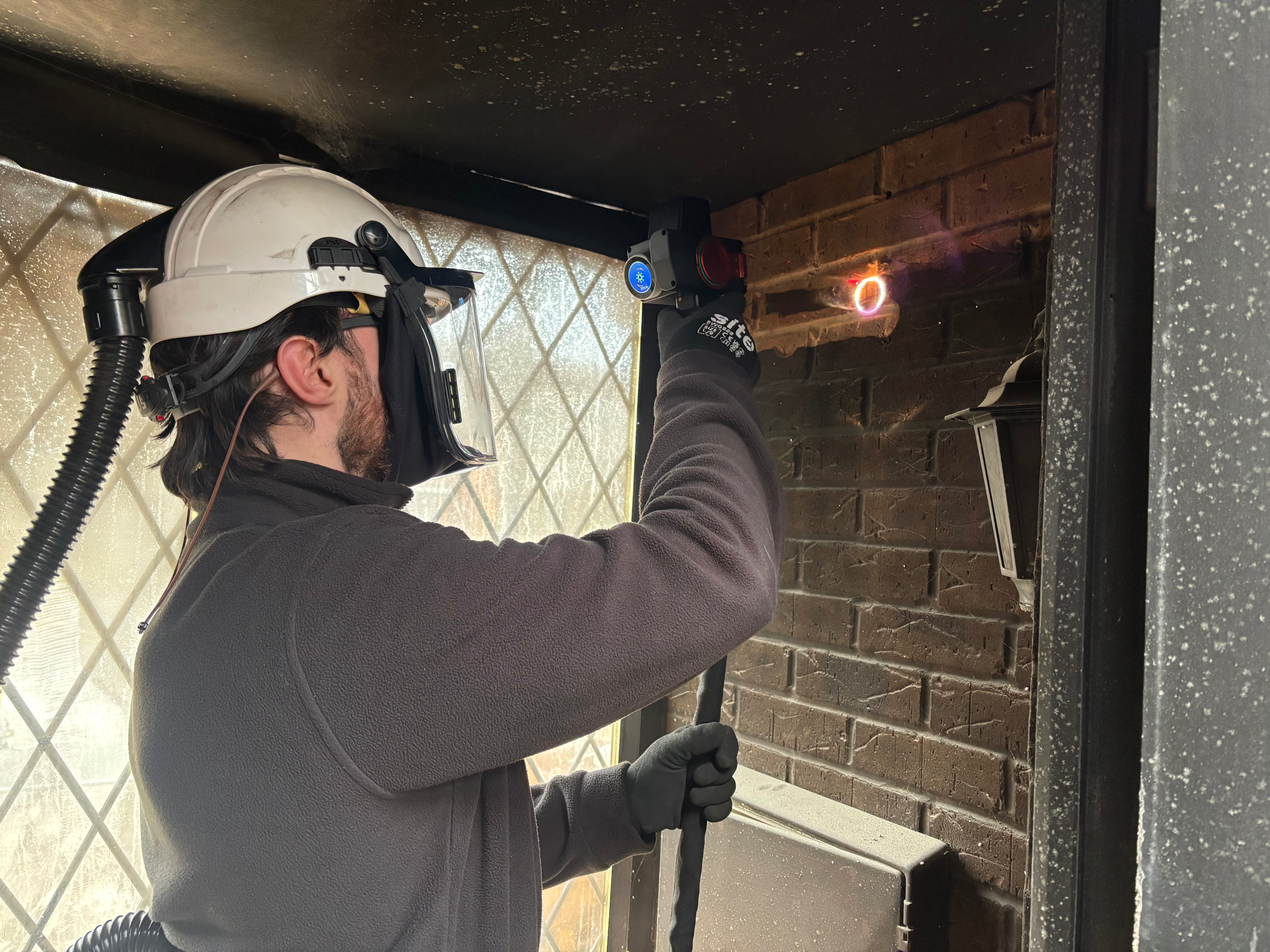
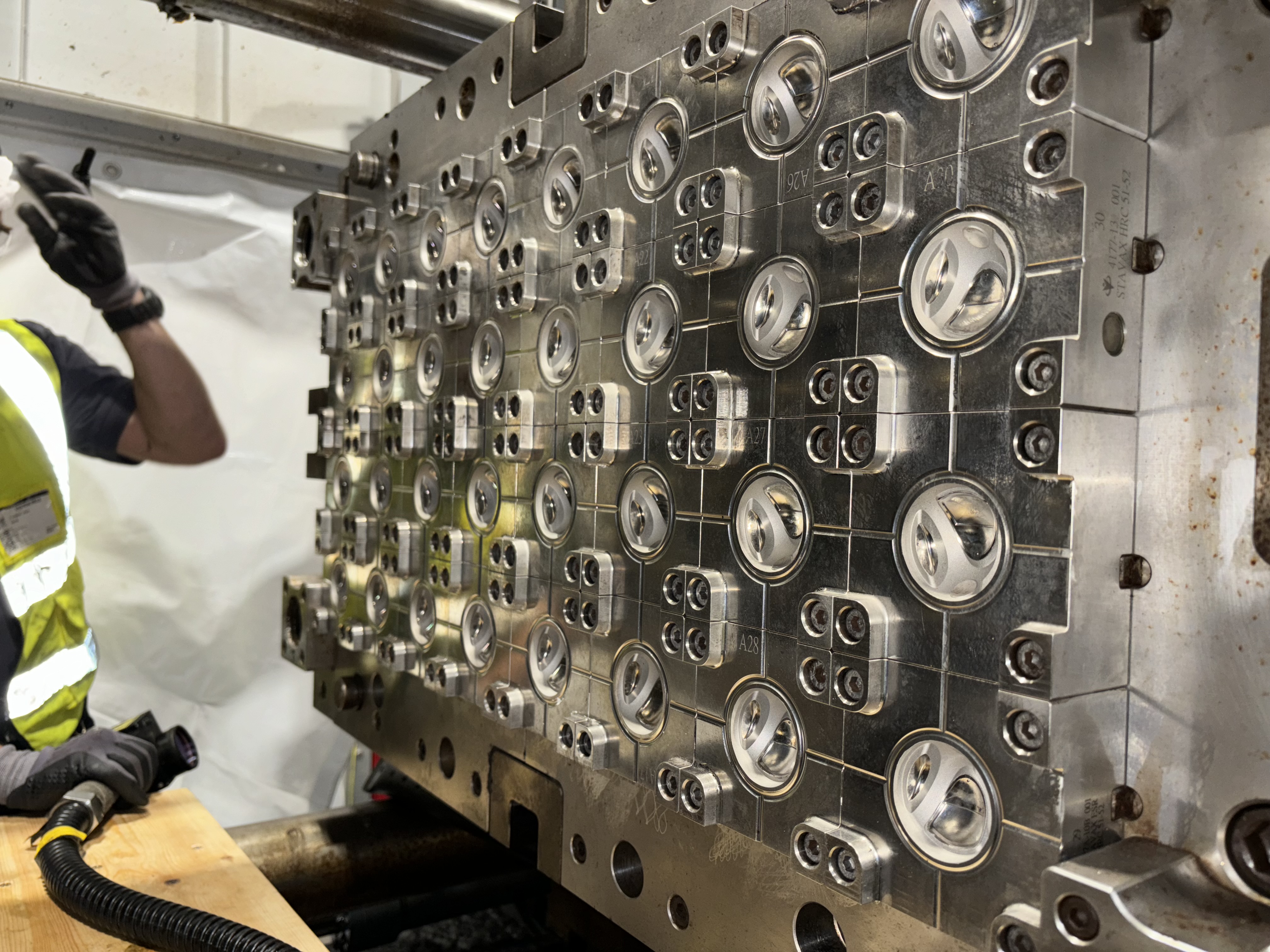
Rather than removing and dismantling the tooling, our engineers were able to clean the mould cavities while they remained installed in the injection moulding machine. The laser selectively removed burnt polymer residues and contamination from intricate surfaces without damaging the underlying tooling or affecting critical tolerances.
Because laser cleaning is a dry, non-contact process, there were no abrasive materials, chemicals or secondary waste to manage. The customer was able to return the machine to production almost immediately after cleaning, with minimal disruption to their manufacturing schedule.
The results exceeded the customer's expectations.
By replacing the traditional cleaning process with laser cleaning, we reduced the total maintenance downtime from approximately three days to less than 60 minutes per machine.
Key benefits included:
If you're looking to reduce production downtime, eliminate labour-intensive cleaning methods and maximise the productivity of your injection moulding operation, we'd be happy to demonstrate what's possible.
Contact Pure Lasers today to arrange a live demonstration or discuss how laser cleaning could be integrated into your manufacturing process.