Thinking About Investing in a Laser Cleaning Machine?

If you’re considering investing in a laser cleaning machine, you’re probably asking the same question many businesses do—is it really worth the investment?
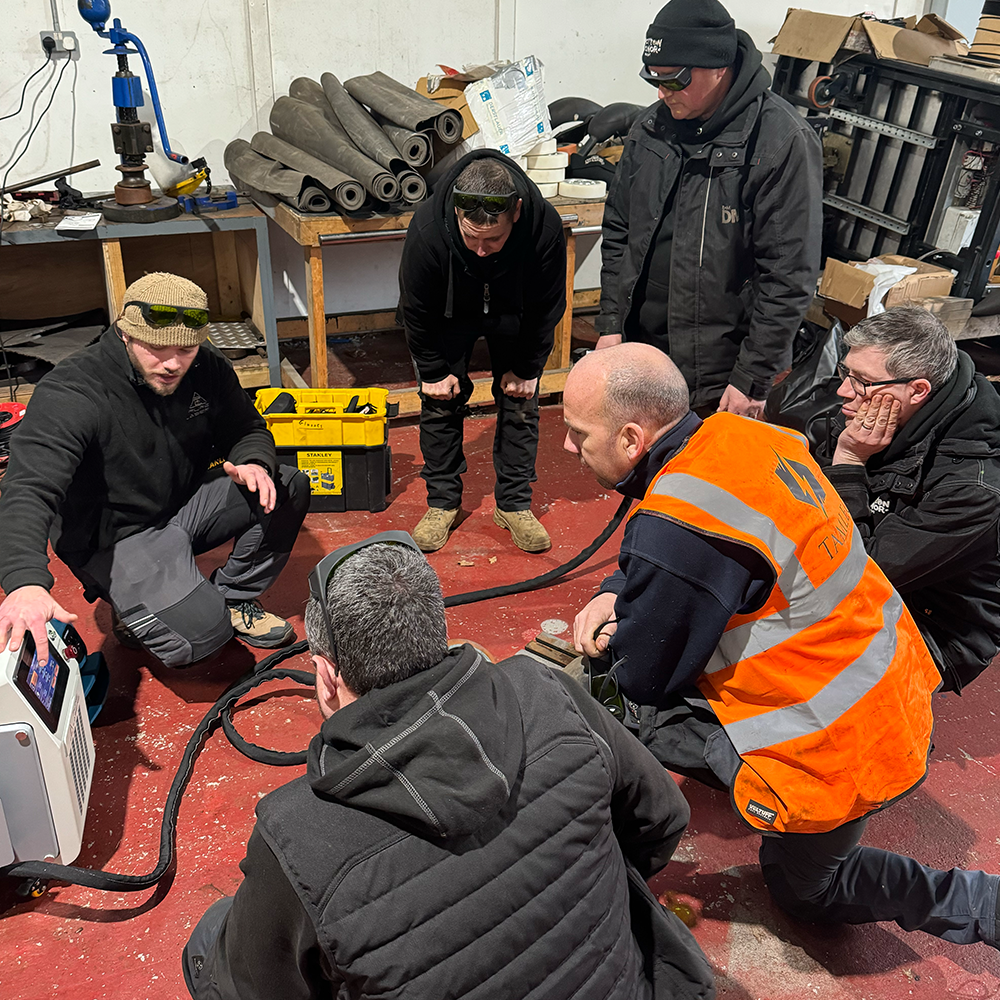
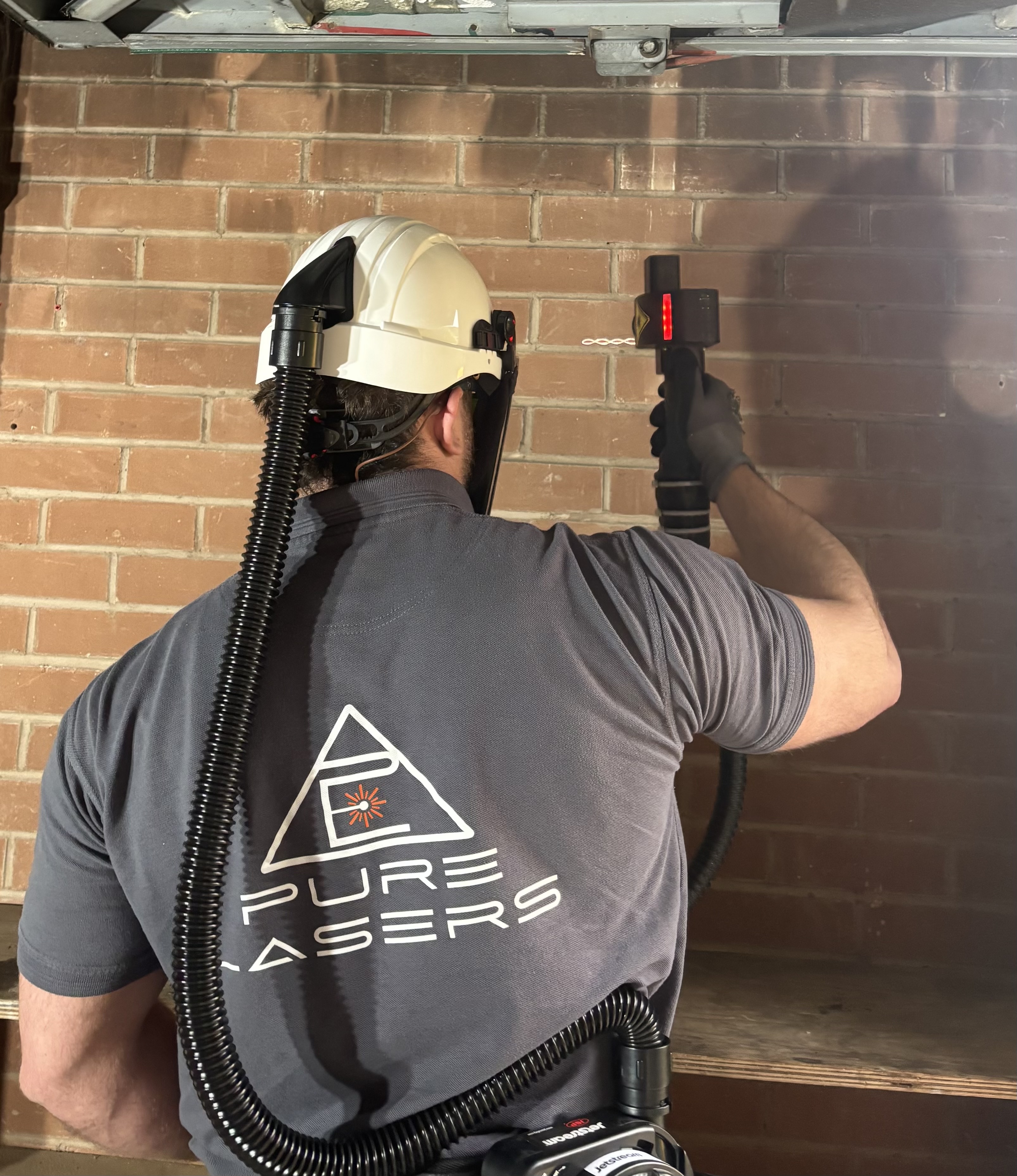
At Pure Lasers, we don’t just supply laser cleaning machines—we use them every day across a wide range of industrial applications. From mould tool cleaning and weld preparation to rust removal and fire restoration, we’ve experienced first-hand how laser cleaning can transform productivity, reduce operating costs, and open up new business opportunities.
This guide shares what we’ve learnt from real-world experience to help you decide whether laser cleaning is the right investment for your business.
Laser cleaning isn’t the right solution for every application. Many businesses are happy with the processes they’ve used for years, and in some cases, traditional cleaning methods remain the most practical option.
However, for businesses looking to improve efficiency, reduce consumable costs, minimise downtime and adopt cleaner, more sustainable technology, laser cleaning is proving to be an outstanding investment.
When used regularly, a laser cleaning machine can significantly reduce operating costs, improve workplace safety and often deliver a return on investment far sooner than many businesses expect.
Traditional cleaning methods such as sandblasting, chemical stripping, wire brushing and dry ice blasting all have their place—but they also come with ongoing costs.
These include:
· Abrasive media
· Chemicals and solvents
· Waste disposal
· Labour-intensive cleaning
· Equipment maintenance
· Production downtime
Laser cleaning removes many of these recurring costs. As a non-contact, media-free process, the primary operating expenses are electricity, compressed air and the routine replacement of the front protective lens.
Traditional Cleaning
Laser Cleaning
Abrasive media required
No abrasive media
Chemicals and solvents
Chemical free
Large waste disposal
Minimal secondary waste
High consumable costs
Very low consumable costs
Greater maintenance
Low maintenance
Potential surface damage
Highly controlled material removal
One of the biggest advantages of laser cleaning is its low day-to-day operating cost.
Power consumption depends on the machine. Our air-cooled systems typically consume between 2–3 kW, while our largest 3 kW Continuous Wave machines can require up to 14 kW during operation.
Compressed air is also required to operate the air blade system, protecting the front lens while helping remove dust and fumes during cleaning.
The protective lens is the first line of defence for the scanning head’s internal optics.
Replacement lenses typically cost between £2 and £5 each, depending on the machine. We supply every customer with 100 protective lenses, and while some operators use these within six months, others have enough to last well over a year. It largely depends on the application, working environment and how effectively fumes are managed.
Water-cooled machines require approximately 16–20 litres of glycol coolant, which we recommend changing annually.
At around £75 per year, coolant represents a very small proportion of the overall running costs.
Time is money.
One of the biggest advantages we’ve seen from laser cleaning is the ability to complete work without dismantling equipment.
One mould tool cleaning project previously required the customer to remove the tooling, disassemble it, clean every individual component and then reassemble everything before production could resume—a process taking around three days.
Using laser cleaning, we completed the work in under an hour, without removing the tool from the press, dramatically reducing production downtime.
Laser cleaning allows operators to:
· Remove coatings without full disassembly
· Strip paint with precision
· Prepare welds efficiently
· Clean mould tools in situ
· Reduce downtime
· Eliminate vibration exposure associated with many handheld power tools
Modern fibre laser sources are built for reliability.
Compared with traditional cleaning equipment, they have:
· Fewer moving parts
· No abrasive media systems
· No blasting nozzles to replace
· No chemical pumps
· Minimal routine maintenance
This helps reduce servicing costs while improving long-term reliability.
Laser cleaning supports businesses looking to reduce their environmental impact by:
· Eliminating chemical cleaners
· Producing very little secondary waste
· Reducing hazardous waste disposal
· Lowering consumable usage
· Improving workplace cleanliness
For businesses working towards ISO 14001 or broader sustainability goals, laser cleaning is becoming an increasingly attractive solution.
Unlike abrasive cleaning methods, laser cleaning removes only the unwanted material while leaving the underlying substrate largely unaffected when the correct laser parameters and laser profile are used.
Applications include:
· Rust removal
· Oxidation removal
· Paint stripping
· Powder coating removal
· Oil and grease removal
· Carbon deposits
· Surface preparation before welding
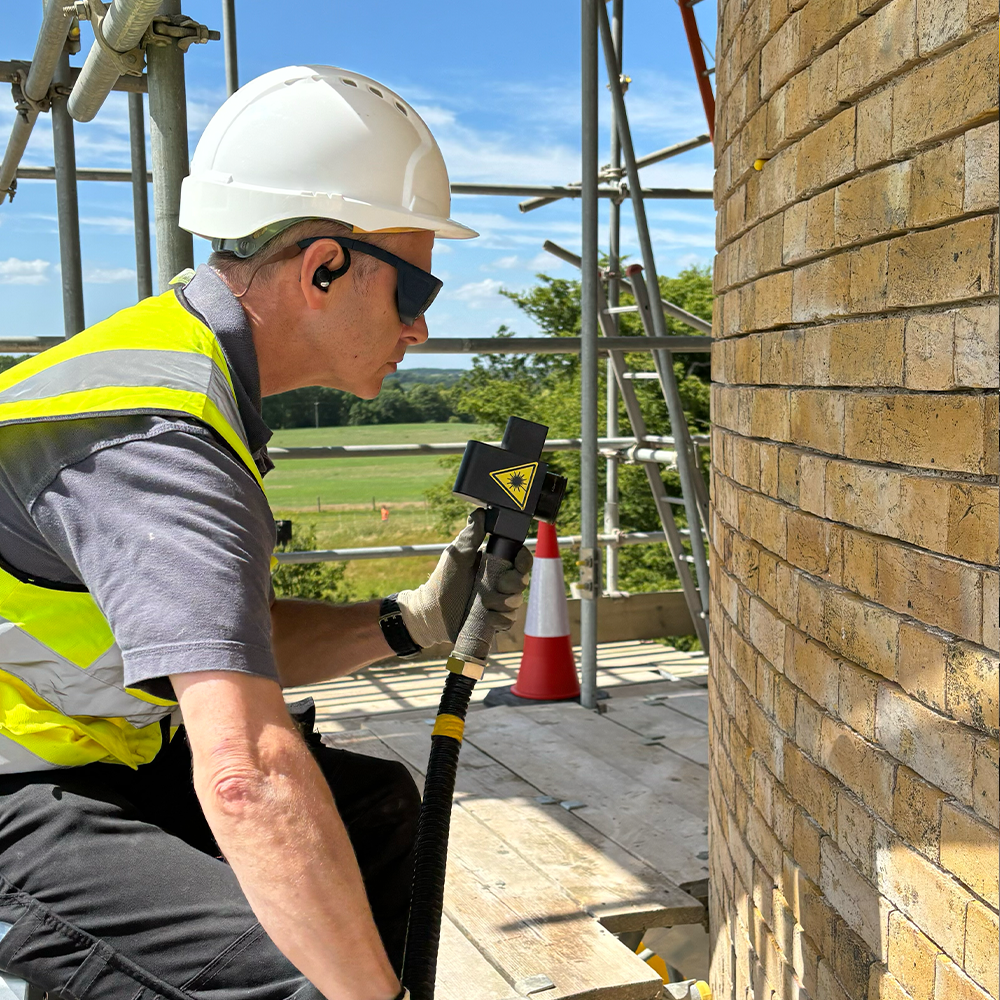
This level of precision makes laser cleaning particularly valuable across manufacturing, aerospace, automotive restoration, heritage restoration and precision engineering.
Every business is different, but companies regularly recover their investment through:
· Reduced subcontract cleaning costs
· Lower consumable expenditure
· Less downtime
· Reduced labour hours
· Increased productivity
For businesses using laser cleaning every day, the return on investment can often be achieved much sooner than initially expected.
Typically between 2–3 kW for smaller air-cooled systems and up to 14 kW for larger continuous wave machines.
No. Routine maintenance is minimal and generally consists of replacing protective lenses, checking coolant levels on water-cooled systems and carrying out basic servicing.
For many applications, yes. Laser cleaning offers a cleaner, more precise alternative without the cost of abrasive media. However, every application should be assessed individually as shot blasting still has its place as one of the most aggressive and fastest removal methods for heavy coatings.
If laser cleaning is only required occasionally, using a professional laser cleaning contractor may be the most cost-effective solution.
However, businesses regularly carrying out rust removal, paint stripping, weld preparation or production maintenance often benefit significantly from investing in their own machine.
Portable laser cleaning machines also allow operators to bring the equipment directly to the workpiece, rather than moving components into a dedicated blasting area.
Laser cleaning is no longer an emerging technology—it’s a proven industrial solution that continues to replace traditional cleaning methods across countless industries.
At Pure Lasers, we don’t just sell laser cleaning machines—we rely on them every day. That practical experience allows us to provide honest advice, comprehensive operator training and ongoing UK-based technical support to help our customers get the very best return on their investment.
Whether you’re looking to reduce production downtime, eliminate consumable costs or start a laser cleaning business of your own, we’d be delighted to help you find the right solution.
Contact Pure Lasers today to arrange a demonstration and discover how laser cleaning could transform your business.